

Prologue: A Life in Melody
Some artists just make music. A rare few become the voice of their homeland. Zubeen Garg was that voice for Assam. His story goes well beyond album sales and box office records. It is the story of a life that began in the hills of Meghalaya and wove itself into the fabric of the Assamese people.
For over thirty years, his voice was the soundtrack of the Northeast. You heard him at Bihu festivals, on quiet rural nights, and during major social movements. He lived his life completely in the open and created art without pausing, leaving a mark that will last as long as the Brahmaputra river.
Chapter I: Roots and Early Years (1972-1989)

Born Zubeen Borthakur on November 18, 1972, in Tura, Meghalaya, he grew up in a house filled with art. His father, Mohini Mohan Borthakur, was a civil magistrate who wrote poetry under the name Kapil Thakur. His mother, Ily Borthakur, was a singer. They named him after the orchestral conductor Zubin Mehta, setting a clear path for his future.
Because his father worked for the government, the family moved constantly across Assam and Meghalaya. This traveling gave young Zubeen an incredible musical education. He naturally picked up the folk rhythms of the Boro, Rabha, Tiwa, Mising, Garo, and Khasi communities.
While he took some formal lessons in tabla and percussion from teachers like Pandit Robin Banerjee and Kalinath Sharma, Zubeen was largely self taught. He learned the keyboard, guitar, and local acoustic instruments simply by sitting alone and practicing for hours.
"Music is not something you manufacture in a pristine laboratory. It is the sound of the earth breathing, the crying of a broken heart, and the laughter of children dancing in the rain. If you cannot feel the mud on your feet, your song is hollow."
— Zubeen Garg
Chapter II: Loss and the Release of Anamika (1990-1995)

In his late teens, Zubeen faced a terrible personal loss. His older sister, Jonkie Borthakur, an actress and singer, died in a car accident. Her sudden death broke him. To cope with the grief, Zubeen turned entirely to music.
He started writing and composing songs dedicated to her memory. In 1992, working with a tight budget and borrowed equipment, he released his debut solo album, Anamika. That single cassette tape completely changed the regional music industry.
Before Anamika, popular music in Assam was highly formal and traditional. Zubeen introduced a raw, modern pop sound. Tracks like "Maya" connected instantly with a younger generation, breaking sales records and making him a star overnight. Around this time, seeking a fresh start, he adopted the surname Garg from his family lineage, following the advice of his mentor Kalinath Sharma.
Chapter III: Shaping Modern Assamese Pop (1996-2005)

After the success of Anamika, Zubeen refused to stick to just one style. Throughout the late 1990s and early 2000s, he released a massive string of albums, including Pakhi, Asha, Sapun, Chandana, Rong, and Mukha.
He brought the local recording industry into the modern age. He was the first to boldly mix traditional folk instruments like the pepa, dhol, and gogona with electronic synthesizers and multi track production. He built a bridge between village folk rhythms and modern rock.
His live shows during this time became legendary. He was unpredictable and intensely energetic, known for jumping into crowds, inviting street musicians on stage, and singing for hours without taking a single break.
Chapter IV: Mumbai Calling and "Ya Ali" (2006)
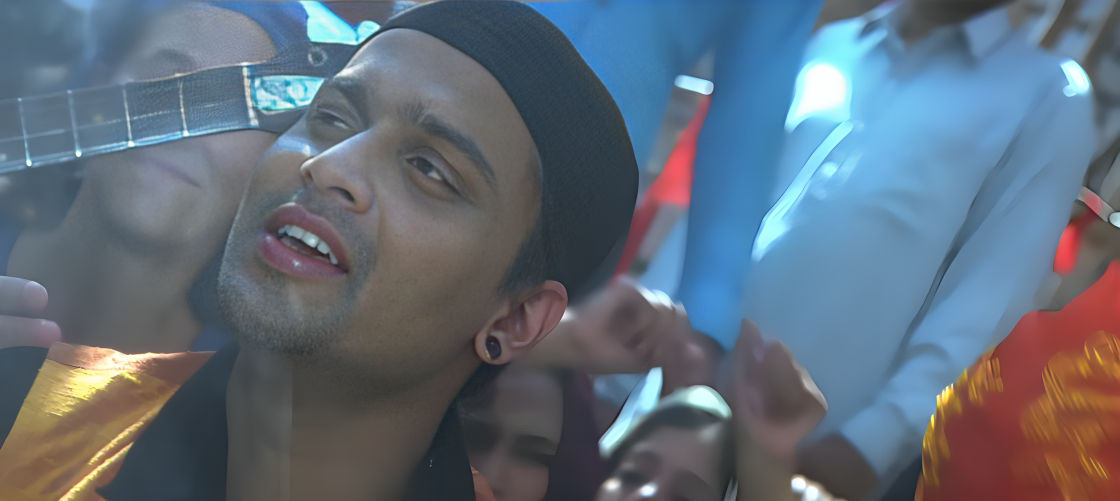
Looking for new challenges, Zubeen headed to Mumbai in the early 2000s. He recorded several Hindi tracks, but his massive national break came in 2006. Director Anurag Basu and composer Pritam were working on the film Gangster and needed a voice with genuine, unpolished emotion.
Pritam brought Zubeen in to record "Ya Ali". The song exploded. It became a huge hit, dominating radio charts for over a year and winning Zubeen the Global Indian Film Award for Best Playback Singer.
The doors of Bollywood opened wide. Major producers pressured him to move to Mumbai permanently. Instead, Zubeen packed his bags and moved back home to Guwahati.
"Mumbai is a wonderful place for business, but my soul lives in the paddy fields of Assam. If I stay in Bollywood, I will become a machine churning out commercial numbers for faceless actors. My people need my songs more than Bollywood needs another playback singer."
— Zubeen Garg
Chapter V: Cinematic Renaissance (2007-2024)

Once back home, Zubeen expanded his work into filmmaking, acting, and scriptwriting. He wanted to pull the dying Assamese film industry back to life for a younger audience.
In 2017, he wrote, directed, scored, and starred in the action thriller Mission China. It was a massive commercial hit, breaking regional box office records and proving local films could compete with big Hindi releases. He followed it up in 2019 with Kanchanjangha, a gritty film dealing with severe local economic issues that broke his own previous records.
Alongside directing, he kept acting, writing background scores, and creating plays.
Chapter VI: The Fearless Voice of the People
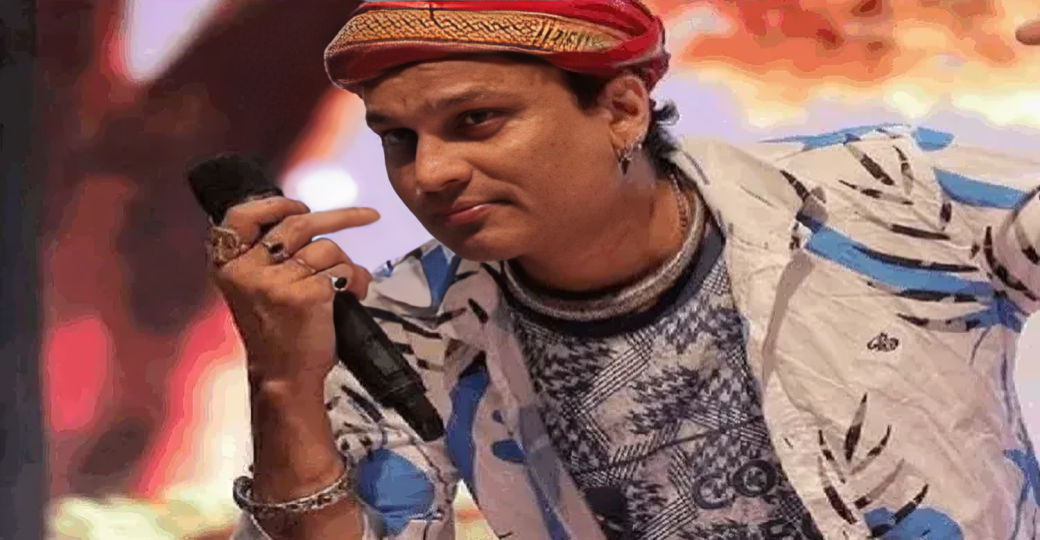
Beyond music and film, Zubeen was known for his direct approach to social injustice. He never cared about being politically correct. If he saw a problem, he spoke about it with total honesty.
During major social upheavals in the region, particularly the Citizenship Amendment Act protests, Zubeen stood at the front lines with the youth, using his massive platform to make their voices heard.
His charity work was just as relentless. He quietly funded medical treatments for struggling artists and set up education funds for children in need. When the annual floods hit Assam, Zubeen was often seen in the mud, personally delivering food and medicine to stranded villages.
Chapter VII: His Final Bow (September 2025)

In September 2025, Zubeen went to Singapore to perform at the North East India Festival. On September 19, devastating news reached the Northeast. He had passed away in a sudden drowning accident.
The reaction at home was immediate and paralyzing. Markets closed, television programs stopped, and hundreds of thousands of people filled the streets of Guwahati, Jorhat, Dibrugarh, and Silchar. The state government sent a special flight to bring him home, receiving him with full state honors.
Chapter VIII: The Journey Home

In a display of public mourning rarely seen today, over half a million people lined up outside the Sarusajai Stadium in Guwahati to pay their final respects. His cremation took place on the muddy banks of the Brahmaputra river.
As the pyre was lit, the massive crowd sang his famous ballad, "Mayabini". In the following weeks, fans pushed authorities for full transparency regarding his accident in Singapore, united by their fierce loyalty to him.
Epilogue: The Immortal Echo
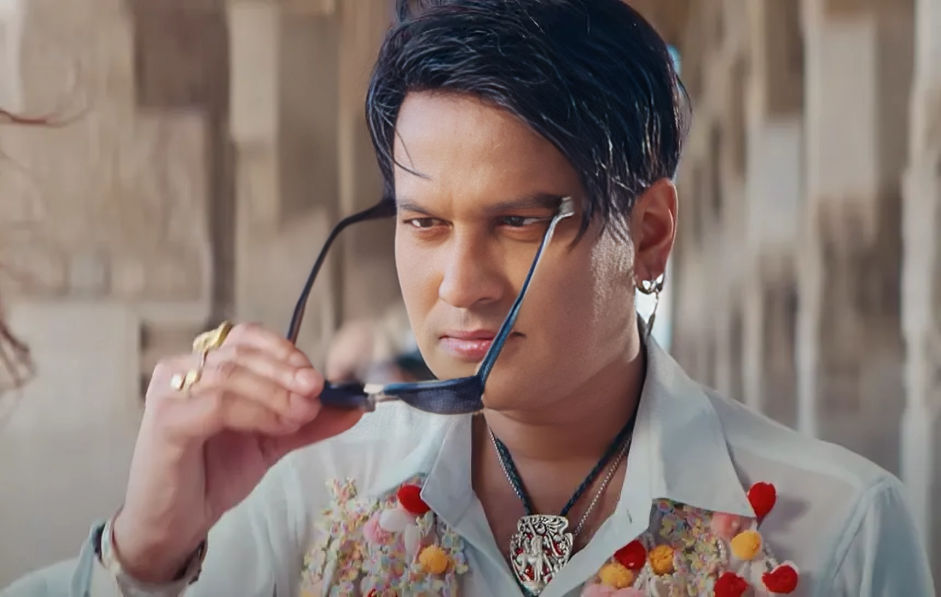
Barely a month after his death, his final film, Roi Roi Binale, was released. It became an emotional event, breaking cinematic records as fans went to theaters for a final goodbye. Hailing a massive legacy, his spirit remains immortal.
Zubeen Garg is gone, but his art remains. His voice is a permanent part of Assam. You still hear his music on local radios and quiet headphones, ensuring his spirit will continue to inspire the generations to come.
Discussion & Tributes
Leave a Tribute / Comment
Share your thoughts on Zubeen Garg's immortal legacy.